Consultant Urologist & Robotic Surgeon

Dr Torath

BMedSci  ·  MBBS  ·  MSc  ·  MRCS  ·  FRCS (Urol)

Precision robotic surgery and expert urological care for prostate cancer, kidney cancer and complex urology — delivered with clarity, compassion and full consultant accountability.

0
Robotic
Prostatectomies
Top 25%
UK Robotic
Surgeons
3+ NHS
London
Private Clinics
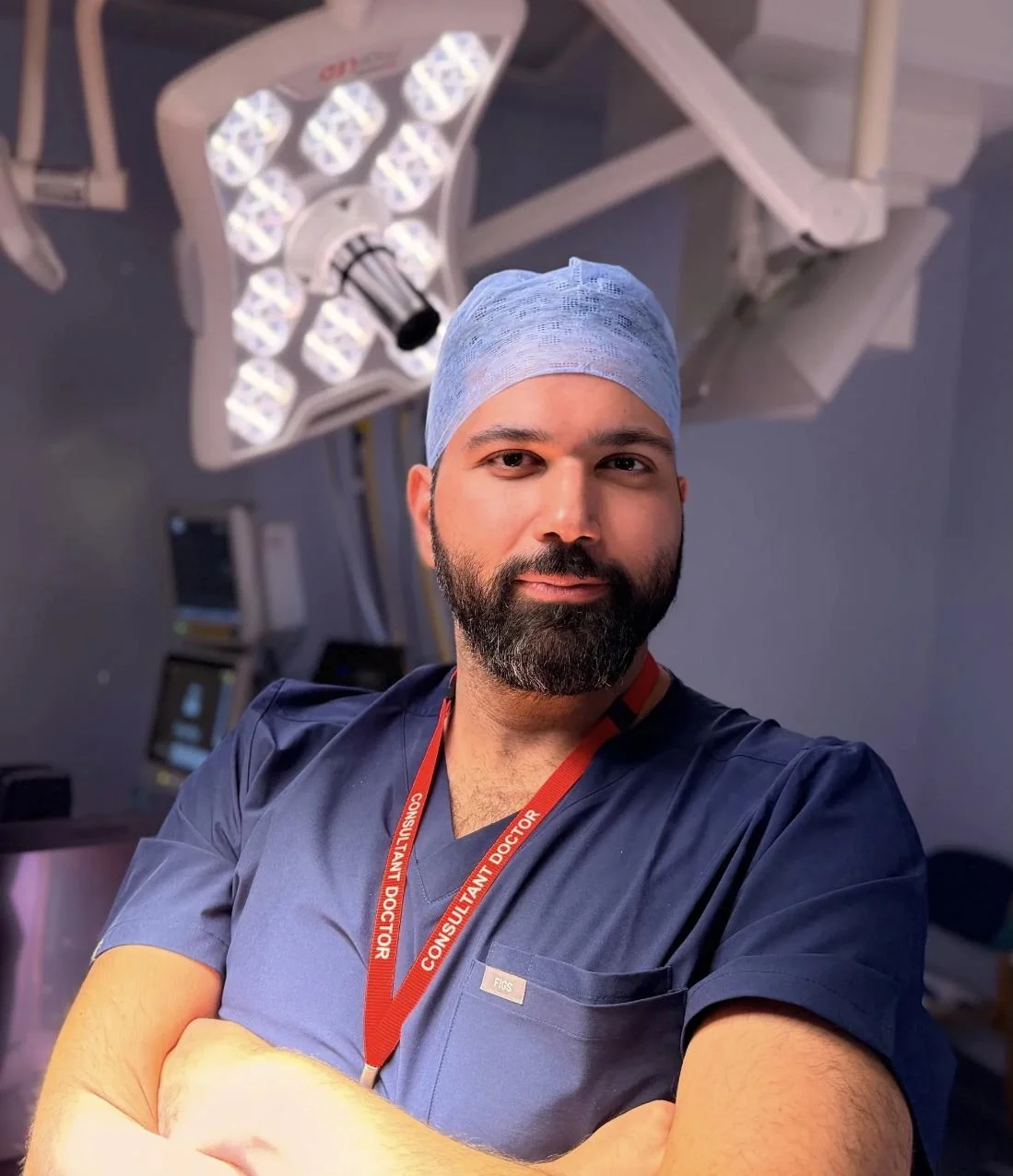
Mr Torath Ameen, Consultant Urologist and Robotic Surgeon, London
Mr Torath Ameen
Consultant Urologist & Robotic Surgeon
London, UK
FRCS (Urol) Certified
NHS Consultant Surgeon
Harley Street · Wellington · Watford General Hospital
Recognised by
Bupa AXA Health Aviva + other major insurers accepted. Please confirm with your insurer prior to booking.
Mr Torath Ameen, Consultant Urologist and Robotic Surgeon Illustration of Mr Torath Ameen
Hover to reveal
About Mr Ameen

A Surgeon Defined by Precision, Not Just Procedure

Mr Torath Ameen is a Consultant Urological and Robotic Surgeon with specialist expertise in minimally invasive surgery for prostate and kidney cancer. He holds full FRCS (Urol) accreditation and is an active member of the British Association of Urological Surgeons (BAUS).

With over 500 Retzius-sparing Robotic Radical Prostatectomies performed, his operative metrics — blood loss, positive margin rates and nerve-preservation outcomes — place him consistently in the top quartile of UK robotic prostate surgeons.

He provides consultant-led care throughout. Every patient is assessed, operated on and followed up by Mr Ameen directly — never delegated. Alongside his NHS practice at West Hertfordshire Teaching Hospitals, he sees private patients across three Central London locations.

BMedSci MBBS MSc MRCS FRCS (Urol) BAUS Member GMC Registered

My goal is simple: to give every patient the same level of care I would want for someone I love — honest, precise and always consultant-led.

— Mr Torath Ameen, FRCS (Urol)
Areas of Expertise

Specialities & Treatments

Comprehensive urological care, with robotic surgery as the cornerstone — the most advanced techniques available in the UK.

Dr Torath Ameen at the da Vinci robotic surgery console
Da Vinci System

Surgeon at the Robotic Console

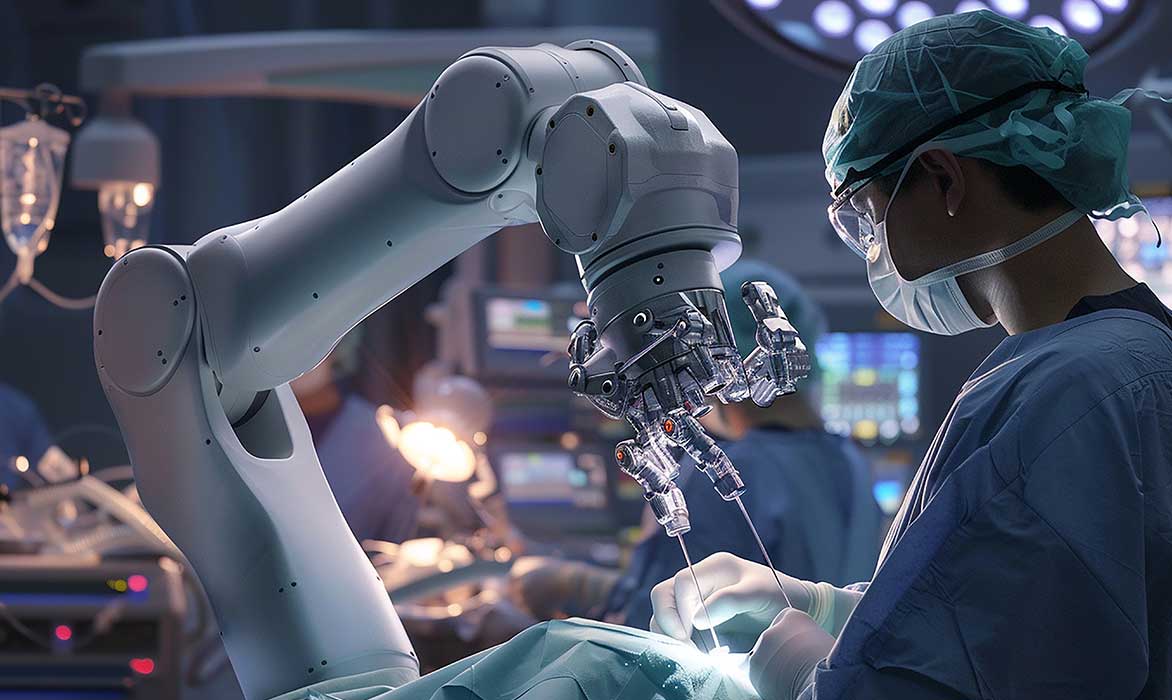
Da Vinci robotic arms in the operating theatre
Operating Theatre

Robotic Arms — Millimetre Precision

Close-up of da Vinci robotic surgical instruments
Surgical Instruments

7× Magnification, Zero Tremor

01

Robotic Radical Prostatectomy

Mr Ameen performs the Retzius-sparing technique — associated with faster recovery of continence and superior functional outcomes. Over 500 cases performed, placing him in the top quartile of UK robotic prostate surgeons.

Robotic Surgery
02

Robotic Kidney Surgery

Robotic radical and partial nephrectomy for kidney cancer, plus reconstructive procedures including pyeloplasty and ureteric re-implantation — optimising recovery and long-term function through minimally invasive technique.

Robotic Surgery
03

Prostate Cancer Care

From PSA testing and MRI-fusion biopsy through to surgical, radiological and systemic treatments. Every patient receives a clear, written care plan so they always know exactly what happens next.

Oncology
04

Benign Prostate Enlargement

The full range — Aquablation (robotic water therapy), Rezum (steam therapy), prostate artery embolisation and gold-standard TURP. Choice of treatment guided by the patient's clinical, lifestyle and functional profile.

Men's Health
05

General Urology

Haematuria, urinary tract infections, kidney stones, bladder conditions and urinary symptoms in both men and women — managed with rapid, coordinated diagnostics to avoid delays in diagnosis and treatment.

General Urology
06

Men's Health & Minor Procedures

Erectile dysfunction, testosterone deficiency, circumcision (local or general anaesthetic, from £3,000) and vasectomy with no-scalpel technique available (from £2,000). Handled with full discretion and professionalism.

Men's Health
0
Retzius-Sparing Robotic
Prostatectomies Performed
Top 25%
UK Robotic Prostate
Surgeon Rankings
3
Private London
Clinic Locations
100%
Consultant-Led Care
Every Time
Why Patients Choose Mr Ameen

Your Care. Your Consultant. Every Step.

01

Consultant-Led Throughout

Every patient is assessed, operated on and followed up by Mr Ameen directly. Your care is never delegated to a junior doctor or registrar at any stage.

02

Clear, Written Care Plans

Every consultation concludes with a clear written plan — what was found, what happens next and why. No ambiguity, no waiting in the dark.

03

Advanced Robotic Expertise

Over 500 Retzius-sparing robotic prostatectomies with blood loss, margin and nerve-preservation metrics placing Mr Ameen in the top quartile of UK robotic surgeons.

04

Fast Access & Same-Day Tests

Rapid appointment availability with same-day investigations at the Wellington Hospital. Investigations and treatment coordinated to avoid unnecessary delays.

05

Care for Men & Women

Urological conditions affecting both sexes — kidney and bladder conditions, infections, stones and cancer — treated with equal expertise and attention.

06

Discreet & Professional

Urology is a sensitive speciality. Every interaction is handled with discretion, professionalism and unhurried time — family members are always welcome.

07

Trusted by International Patients & Diplomatic Missions

In addition to his local NHS and private patients, Mr Ameen is the recommended urologist for patients referred through several London-based diplomatic missions, and regularly treats international patients requiring specialist urological care during their time in the UK. Full medical reports and insurer liaison are provided as standard.

Not Sure Where to Start?

Find the Right Treatment for You

Answer a few quick questions and we'll point you in the right direction.

What is your main concern today?

How was your elevated PSA discovered?

How would you describe your urinary symptoms?

Which type of cancer concern applies?

Which area concerns you most?

Are you currently in pain?

Tell us more about the bleeding:

PSA Investigation
A urology consultation is the right first step
An elevated PSA found on routine testing doesn't always mean cancer — but it does need expert evaluation. Mr Ameen will review your PSA trend, perform a clinical examination, and if appropriate arrange a multiparametric MRI scan before any biopsy decision. You'll leave your consultation with a clear written plan.

Typical next step: Consultation + PSA trend review ± mpMRI of the prostate.
PSA + Urinary Symptoms
This combination warrants prompt specialist assessment
When a raised PSA is accompanied by urinary symptoms, it's important to distinguish between prostate enlargement (BPH), prostatitis and prostate cancer — conditions that can coexist. Mr Ameen specialises in untangling exactly this picture with a thorough, structured assessment.
Family Risk + PSA
Hereditary risk needs a structured screening plan
If you have a first-degree relative with prostate cancer, your lifetime risk is approximately double that of the general population. Mr Ameen can help you understand your personal risk, arrange age-appropriate screening, and give you the information you need to make confident decisions.
Rising PSA — Act Now
A rising PSA velocity needs urgent specialist review
PSA velocity (how fast it rises) is often more clinically significant than a single reading. A rapid rise warrants an mpMRI and specialist review without delay. Mr Ameen can see you quickly and provide a clear, evidence-based assessment.
Benign Prostate Enlargement (BPH)
Your symptoms sound consistent with prostate enlargement
BPH is extremely common and very treatable. Mr Ameen offers the full range of modern treatments — Aquablation, Rezum steam therapy, prostate artery embolisation and TURP — guided by your anatomy and lifestyle rather than a one-size-fits-all approach.
Recurrent UTI / Infection
Recurrent infections need investigation, not just antibiotics
Repeated urinary tract infections are often a sign of an underlying structural or microbiological issue. Mr Ameen will investigate the cause, not just the symptom, and provide a long-term management plan.
Overactive Bladder
Urgency and frequency are very treatable
Overactive bladder (OAB) significantly impacts quality of life but responds well to the right treatment. Mr Ameen will assess whether this is a bladder, prostate or pelvic floor issue and tailor your management plan accordingly.
Urinary Retention — Seek Prompt Help
Difficulty urinating needs prompt assessment
If you are unable to urinate or are in significant distress, please attend your nearest A&E. If this is a chronic or partial issue, Mr Ameen can arrange a priority appointment to assess and treat the underlying cause.
Prostate Cancer
Expert prostate cancer surgery — one of London's most experienced robotic surgeons
Mr Ameen has performed over 500 Retzius-sparing robotic radical prostatectomies, placing him in the top 25% of UK robotic prostate surgeons. He offers a clear, written care plan from first consultation through to long-term follow-up.
Kidney Cancer
Minimally invasive robotic kidney surgery
Mr Ameen performs robotic radical and partial nephrectomy for kidney tumours of all sizes, prioritising kidney-function preservation wherever oncologically safe. Most patients are discharged within 1–2 days and recover rapidly compared to open surgery.
Bladder / Haematuria Investigation
Haematuria always needs specialist investigation
Blood in the urine — even once, even if painless — should always be investigated by a urologist. Mr Ameen will arrange a rapid haematuria pathway including urine cytology, flexible cystoscopy and imaging to provide a diagnosis and peace of mind.
Second Opinion
A second opinion is your right — and often changes outcomes
Mr Ameen regularly provides second opinions for patients who have received a cancer diagnosis elsewhere. He will review your histology, imaging and treatment plan and give you an honest, independent assessment — with no pressure and full documentation.
Men's Health — ED
Erectile dysfunction is a medical issue, not a personal failing
ED is often a vascular marker — and can be an early sign of cardiovascular disease. Mr Ameen provides a thorough, discreet assessment including hormonal profile, vascular assessment and a full range of treatment options including medical, vacuum, injection and surgical therapies.
Testosterone Deficiency
Low testosterone is under-diagnosed and highly treatable
Symptoms of testosterone deficiency — fatigue, low mood, reduced libido, weight gain — are often dismissed or misattributed. Mr Ameen will arrange a full hormonal panel and, if appropriate, discuss testosterone replacement therapy (TRT) options in detail.
Minor Procedure Enquiry
Vasectomy and circumcision — performed with full consultant care
Vasectomy from £2,000 (no-scalpel technique available) and circumcision from £3,000 under local or general anaesthetic. All minor procedures are performed by Mr Ameen personally, with a full pre-operative assessment and written aftercare plan.
Acute Stone — Urgent
If you're in severe pain, please seek urgent care
Acute ureteric colic (stone pain) is one of the most severe pains in medicine. If you're currently in severe pain, please attend A&E or call 999. Once the acute episode has resolved, Mr Ameen can arrange a comprehensive stone assessment and prevention programme.
Kidney Stone Management
Comprehensive stone management and prevention
Once you've had one stone, your lifetime recurrence risk is approximately 50%. Mr Ameen offers metabolic stone analysis, dietary and medication-based prevention, and minimally invasive treatment (shockwave lithotripsy, ureteroscopy, PCNL) for stones that require active treatment.
Visible Haematuria — Urgent
Visible blood in urine needs urgent investigation
Painless visible haematuria in particular is a red-flag symptom that requires a rapid haematuria assessment within 2 weeks under NICE guidelines. Mr Ameen can see you promptly and arrange cystoscopy, urine tests and CT urogram to establish the cause.
Microscopic Haematuria
Microscopic haematuria still warrants investigation
Even blood only visible on a dipstick test should be assessed by a urologist, particularly in men over 40. Mr Ameen will determine whether further investigation (cystoscopy, imaging) is needed based on your age, risk factors and urine findings.
Where to Find Mr Ameen

Three Convenient Locations

Private clinics across Central and North London, plus NHS practice in Hertfordshire — designed for easy access wherever you are.

Private

Wellington Hospital

St John's Wood, London NW8

  • Weekly clinic with same-day investigations
  • Full robotic surgical theatre access
  • Inpatient & recovery facilities
  • HCA Healthcare network
Private

9 Harley Street

Marylebone, London W1G

  • Men's health, LUTS & haematuria
  • ED, UTI, stones consultations
  • Fast diagnostics arranged
  • Central London location
NHS

West Herts NHS Trust

Watford, Hertfordshire

  • NHS urology consultations
  • Robotic surgery programme
  • GP referral via Choose & Book
  • Full surgical facilities
Your Journey, Demystified

What to Expect

Transparency at every stage. Here's what your journey looks like from first consultation to full recovery.

Robotic Prostatectomy
Kidney Surgery
BPH Treatment
First Consultation
Week 1

First Consultation

Review of PSA, MRI and biopsy. Full discussion of options and written care plan provided.

1–3 Weeks

Pre-operative Assessment

Anaesthetic review, blood tests, consent. Date for surgery confirmed.

Surgery Day

Robotic Prostatectomy

2–3 hours under general anaesthetic. Retzius-sparing technique for faster continence recovery.

1–2 Days

Hospital Stay

Catheter in situ. Most patients mobilise the same day and go home within 48 hours.

6–12 Weeks

Recovery & Follow-up

Catheter removed at ~10 days. PSA check at 6 weeks. Most men return to normal activity by week 6–8.

Week 1

First Consultation

CT/MRI review, clinical assessment, discussion of partial vs radical nephrectomy options.

2–4 Weeks

Pre-operative Planning

3D tumour mapping, nuclear medicine scan if needed to assess both kidney functions.

Surgery Day

Robotic Nephrectomy

2–4 hours. Partial nephrectomy preserves as much healthy kidney as possible. Small keyhole incisions.

1–2 Days

Hospital Stay

Early mobilisation. Drain removed before discharge. Most patients home within 48 hours.

4–6 Weeks

Recovery & Surveillance

CT scan at 3 months, then annual imaging. Return to driving at 2–4 weeks, full activity by 6 weeks.

Week 1

Assessment Consultation

Symptom scoring (IPSS), flow rate, bladder scan. MRI prostate if indicated. Treatment selection.

Weeks 2–4

Treatment Planning

Choice confirmed: Aquablation, Rezum, PAE or TURP. Pre-procedure tests arranged.

Procedure Day

BPH Treatment

Day-case or overnight stay depending on the procedure chosen. Minimally invasive, low blood loss.

1–2 Weeks

Initial Recovery

Catheter removed at 5–10 days. Symptoms improve progressively over 4–12 weeks.

3–6 Months

Review & Optimise

Flow rate and symptom score reassessed. Most patients report significant improvement by 3 months.

Before You Arrive

Book & Prepare

Book online or call Belinda. Bring any previous results, letters, imaging and a list of your questions.

45–60 min

The Consultation

History, examination and review of all investigations with Mr Ameen personally. No rushing.

Same Day

Written Care Plan

A clear written plan of findings, recommended investigations and next steps. Sent to you and your GP.

Within Days

Investigations Arranged

MRI, blood tests, flow rate, cystoscopy — all arranged rapidly through our private pathways.

Ongoing

Consultant-Led Follow-up

Every follow-up is with Mr Ameen. Results explained in plain language. Always available to your PA.

Educational Content & Media

Learn From the Expert

Mr Ameen regularly creates content on TikTok, podcasts and social media — demystifying urology, explaining procedures and answering the questions patients are too nervous to ask in clinic.

Patient Feedback

What Patients Say

Mr Ameen explained everything with absolute clarity. From the first consultation through to my operation and follow-up, I never felt like a number. The robotic surgery was a complete success and my recovery was far quicker than I expected.

R
Richard T.
Robotic Prostatectomy · Wellington Hospital

I had recurrent kidney stones for years. Mr Ameen was the first doctor who actually sat down, explained what was causing them and gave me a proper plan. Excellent surgeon — even better communicator.

S
Sarah M.
Kidney Stone Patient · Harley Street

After being diagnosed with kidney cancer, I was terrified. Mr Ameen's calm, authoritative manner immediately put me at ease. The robotic surgery was outstanding and I was home within two days.

J
James H.
Robotic Nephrectomy · Wellington Hospital
Transparent Pricing

Consultation & Procedure Costs

All fees are clear and transparent. All major UK insurers are accepted and fee-assured. Self-pay packages available for all procedures.

Initial Consultation

£300

Typically 20 minutes. In-person or video. Family members welcome. Includes a full consultant assessment and written plan.

  • Full consultant assessment
  • Written care plan provided
  • Same-day investigations arranged
  • All insurers accepted

Follow-Up Consultation

£200

Results review, post-operative recovery or ongoing management. Available in-person or by video appointment.

  • Results review & next steps
  • Post-operative care
  • Ongoing management plans
  • Video appointments available

Robotic Surgery Packages

From £11,000

All-inclusive self-pay packages for robotic prostatectomy, nephrectomy and reconstructive procedures.

  • Robotic Radical Prostatectomy
  • Robotic Nephrectomy
  • Reconstructive procedures
  • Top-quartile outcomes

Minor Procedures

From £2,000

Vasectomy from £2,000 · Circumcision from £3,000 · Benign prostate (BPH) procedures from £6,000.

  • Vasectomy (no-scalpel available)
  • Circumcision (LA or GA)
  • Aquablation / Rezum / TURP
  • Many more — enquire for full list

Insurance: All major UK health insurers accepted and fee-assured.
For unlisted procedures contact Belinda Devine (PA): 0204 558 6750 or pa@drtorath.com

Common Questions

Frequently Asked Questions

What is Retzius-sparing robotic prostatectomy and why does it matter?
The Retzius-sparing technique approaches the prostate from behind rather than from the front, preserving the support structures of the urethra and bladder neck. Clinical studies show this approach leads to significantly faster recovery of urinary continence — with many patients continent within weeks rather than months. Mr Ameen has performed over 500 cases using this technique and consistently achieves outcomes in the top quartile nationally.
How long will I be in hospital after a robotic prostatectomy?
Most patients stay 1–2 nights. You will wake up with a urinary catheter in place, which is removed at approximately 10 days at a follow-up clinic. You'll be walking the same day as surgery. Most men return to light activities within 2 weeks and full activity including exercise by 6–8 weeks.
What are the risks to sexual function after prostatectomy?
Nerve-sparing surgery aims to preserve the nerves responsible for erections, which run alongside the prostate. Whether full nerve-sparing is possible depends on the location and stage of your cancer — this will be discussed in detail at consultation. Early penile rehabilitation (daily medication post-op) significantly improves erectile recovery rates. Mr Ameen will be honest with you about your individual likelihood of erectile recovery based on your specific anatomy and cancer characteristics.
How do I know if I need surgery rather than radiotherapy or active surveillance?
This is one of the most important discussions in prostate cancer management. The right treatment depends on your cancer grade and stage, your age, fitness, life expectancy, and personal preferences around the side-effect profiles of each treatment. Mr Ameen will present all options honestly — including active surveillance for low-risk disease — and help you reach a decision you're confident in, without any pressure.
Will I be incontinent after the operation?
Some degree of urinary leakage is common in the first few weeks after catheter removal. With the Retzius-sparing technique, the majority of Mr Ameen's patients achieve social continence (pad-free or one small pad) within 4–6 weeks. Pelvic floor exercises started before surgery significantly improve recovery. The vast majority of patients are fully continent at 12 months.
Do I always need my whole kidney removed for kidney cancer?
No. Partial nephrectomy — removing only the tumour whilst preserving the healthy kidney — is increasingly the gold-standard for tumours under 7cm. Mr Ameen performs robotic partial nephrectomy for eligible patients, preserving kidney function and significantly reducing the long-term risk of kidney disease, dialysis and cardiovascular complications. Whether partial or radical nephrectomy is appropriate depends on tumour location, size and complexity, which he will assess in detail using 3D imaging.
How long is recovery after robotic kidney surgery?
Most patients go home 1–2 days after surgery. The small keyhole incisions (5 ports, typically) heal quickly. You'll be advised to avoid heavy lifting for 4–6 weeks. Most patients return to driving within 2–3 weeks and to full work activity by 4–6 weeks. Compared to open surgery, robotic nephrectomy involves significantly less pain, lower blood loss and faster return to normal life.
What follow-up will I need after kidney cancer surgery?
Follow-up is guided by the pathological stage of your cancer (determined from the specimen after surgery). For low-risk tumours, this typically involves CT scans at 3 months, 1 year and then every 1–2 years for 5 years. For higher-risk disease, more frequent imaging is needed. Mr Ameen will provide a personalised surveillance plan at your post-operative consultation.
What is Aquablation and how is it different from TURP?
Aquablation uses a robot-guided high-pressure waterjet to remove prostate tissue with extreme precision under real-time ultrasound guidance, preserving the ejaculatory ducts and nerves. It offers equivalent symptom improvement to TURP but with a significantly lower rate of retrograde ejaculation (dry orgasm) — making it particularly suitable for younger, sexually active men. TURP remains the gold-standard for larger glands. Mr Ameen will recommend the right procedure for your prostate size and anatomy.
What is Rezum steam therapy and am I a candidate?
Rezum delivers targeted water vapour (steam) into the prostate tissue via a small needle, destroying the excess tissue over 3–6 months. It's a day-case procedure under local or light sedation, with preservation of sexual function in the vast majority of patients. Good candidates are men with moderate BPH symptoms, prostates typically under 80g, and who wish to avoid general anaesthesia or preserve ejaculation. Mr Ameen will assess your suitability at consultation.
How long do BPH treatments last — will my symptoms come back?
TURP and Aquablation have durable results with over 80% of patients still symptom-free at 5 years. Rezum data shows sustained improvement at 4 years in clinical trials. The prostate can continue to grow after any treatment, particularly in younger men, which means some patients may need medication or further treatment in the long term. Mr Ameen will set realistic expectations and provide a long-term management plan.
Do I need a GP referral to see Mr Ameen privately?
No. You can book a private consultation directly without a GP referral. However, a referral letter and any previous test results or imaging will be very helpful to the consultation. If your insurer requires a GP referral for reimbursement, please check their policy before booking. Mr Ameen's PA, Belinda, can help guide you through this process.
What is a typical consultation fee and is it covered by insurance?
Initial consultation fees and surgical costs are listed in the Costs section above. Mr Ameen is recognised by Bupa, AXA Health, Aviva and other major insurers. If you have private medical insurance, your insurer will typically cover most or all costs for medically necessary treatment. Always confirm your policy details and any pre-authorisation requirements with your insurer before your appointment. Self-pay patients are also very welcome.
How quickly can I get an appointment?
Private consultation appointments are typically available within 1–2 weeks. For urgent cases (visible haematuria, rapidly rising PSA, suspected cancer), please call Belinda directly on 0204 558 6750 and a priority appointment will be arranged. Mr Ameen personally reviews all urgent referrals.
Can I bring a family member or carer to my consultation?
Absolutely, and we actively encourage it. Having a trusted person with you helps with remembering information, asking questions and providing emotional support. Please mention when booking if you plan to bring someone so we can ensure the consultation room is set up appropriately.
What is a normal PSA level and what does an elevated reading mean?
PSA (Prostate-Specific Antigen) is a protein produced by the prostate gland. There is no single "normal" level — it varies with age. As a general guide: under 3.0 ng/mL is usually considered normal for men under 60; under 4.0 for men in their 60s; under 5.0 for men over 70. However, the trend over time (PSA velocity) and the ratio of free-to-total PSA are often more informative than a single reading. An elevated PSA can be caused by prostate enlargement, inflammation/prostatitis, infection — or cancer. A specialist can help distinguish between these.
Does an elevated PSA mean I definitely have prostate cancer?
No. The majority of men with a raised PSA do not have prostate cancer. Common causes include benign prostatic hyperplasia (BPH), recent vigorous exercise, sexual activity within 48 hours, urinary tract infection, or prostatitis. However, a persistently elevated PSA or rising PSA always warrants specialist investigation to rule out cancer. Mr Ameen will arrange an mpMRI scan as a first-line investigation before considering any biopsy — this significantly reduces unnecessary biopsies.
Should I have PSA testing if I have no symptoms?
Prostate cancer often causes no symptoms in its early, most treatable stages. This is why proactive PSA testing is recommended for: men over 50 with no particular risk factors; men over 40 with a family history of prostate cancer; Black men over 40 (who have a significantly higher lifetime risk). The NHS does not currently have a national prostate cancer screening programme, but private proactive testing is available. Mr Ameen's PSA testing guide explains this in full detail.
What happens after an elevated PSA — will I need a biopsy?
Not necessarily — and not immediately. Mr Ameen's approach follows NICE guidelines: a multiparametric MRI (mpMRI) of the prostate is arranged first. This is a highly sensitive scan that can identify suspicious areas requiring biopsy and, importantly, give reassurance when findings are benign. If a biopsy is needed, Mr Ameen performs MRI-fusion targeted biopsy — far more accurate than the traditional random transrectal biopsy. Read our full PSA guide →
Patient Education

Understanding Your Urology

Plain-language guides written by Mr Ameen's team to help you make informed decisions about your health.

Get In Touch

Book a Consultation

Book online instantly, or contact Belinda — Mr Ameen's personal assistant — directly by phone or email.

Telephone

0204 558 6750

Email (PA)

pa@drtorath.com

Personal Assistant

Belinda Devine · Mon–Fri

Online Booking

Book instantly online →

Clinic locations

  • Wellington Hospital, St John's Wood
  • 9 Harley Street, Marylebone W1
  • West Hertfordshire NHS Trust, Watford
Also visit prostatesurgery.co.uk for prostate-specific information

Send a Message

Belinda will respond within one working day.

Your message is sent securely to Mr Ameen's PA. For urgent concerns please call 0204 558 6750.

Chat on WhatsApp